Source Earth Protect Carving Wooden Keychain for Gifts
Compare 30 listings for earth protect carving wooden keychain from verified suppliers. Options include custom designs, various materials like wood and metal, and flexible MOQs ranging from 10 to 1000 pieces with delivery times of 12 to 30 days; compare the available evidence and request quotations based on your requirements.
Key considerations
Products List






Comprehensive Sourcing Guide
Earth Protect Carving Wooden Keychain Sourcing Guide
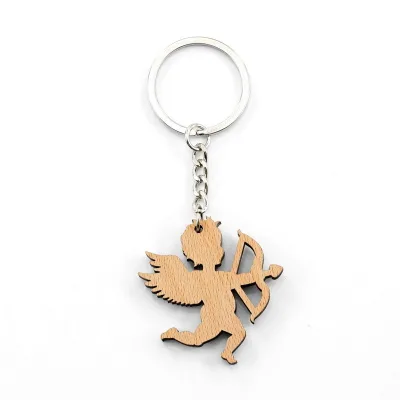
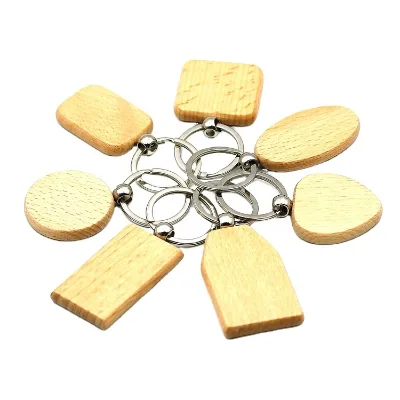
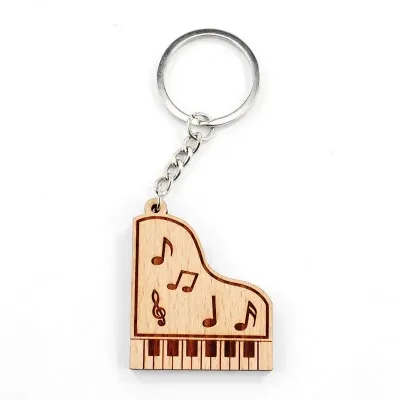
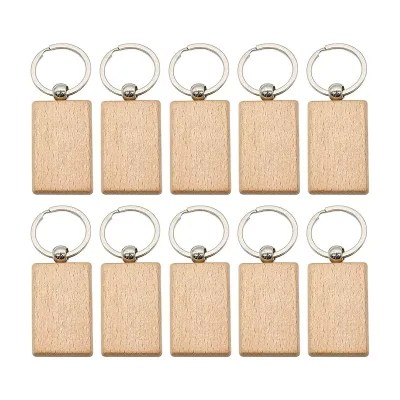
The core keyword "earth protect carving wooden keychain" identifies a specific niche within promotional merchandise where natural materials meet environmental messaging. Based on observed market data, these items are frequently categorized as promotion gifts or general gifts, often featuring custom designs and logos to align with corporate sustainability initiatives. The primary material observed is wood, which allows for intricate carving techniques that can depict earth motifs or conservation slogans, making them ideal for eco-conscious branding campaigns.
Buyers must recognize that while the core product is wood, some listings indicate a hybrid construction involving metal components like Kirsite or zinc alloy. This combination suggests that the "carving" aspect may be limited to the wooden element, while metal parts provide durability for the key ring or attachment mechanism. Understanding this material distinction is critical for setting realistic expectations regarding the tactile feel, weight, and visual finish of the final product, ensuring the design intent matches the physical reality of the supply chain.
Product Scope and Observed Listing Signals
The observed product scope reveals a wide range of customization options, including custom sizes, designs, and logos, which are essential for tailoring the keychain to specific brand identities. Listings indicate that the minimum order quantity (MOQ) varies significantly, ranging from as low as 10 pieces to as high as 1000 pieces depending on the supplier and specific model. This variability allows buyers to scale their procurement from small pilot runs to large-scale distribution events without being locked into a single rigid threshold.
Visual and functional signals in the market suggest that these items often serve as souvenirs, lapel pins, or key holders, with some listings explicitly mentioning their use as security badges or sport medals. The packaging options are equally diverse, ranging from simple poly bags to more premium gift boxes, allowing buyers to adjust the unboxing experience to match the perceived value of the gift. Buyers should verify that the specific "carving" capability of the supplier aligns with the complexity of the earth-themed design they intend to implement.
Technical Specifications to Verify
Technical verification must begin with the processing method, as offset printing is a documented technique for these items, though it may be combined with laser engraving for the logo. Buyers should confirm whether the "carving" is a physical removal of wood material or a printed simulation, as this distinction affects the texture and longevity of the design. The production model numbers, such as AZ-04 or GJC2022102420, serve as specific identifiers that help in tracking the exact configuration of the product, including its standard finish which is often described as a matte finish.
The physical specifications, including size and metal components, require precise confirmation to ensure the keychain meets functional requirements. While the standard size is often customizable, the inclusion of metal parts like Kirsite or brass suggests that the structural integrity relies on a combination of materials. Buyers must verify the plating options and the specific metal alloys used, as these factors influence the weight, corrosion resistance, and overall aesthetic of the keychain, particularly when the design involves detailed earth motifs that need to remain legible over time.
Compliance and Safety Documentation
Compliance for wooden promotional items generally focuses on the safety of the finish and the origin of the timber, though specific certification data is not universally provided in standard listings. Buyers should request documentation confirming that the wood is sourced from sustainable forests and that any applied finishes or adhesives meet international safety standards for consumer goods. Since the product is often used as a gift or souvenir, ensuring that the item is free from harmful chemicals is a critical step in protecting the brand's reputation and adhering to import regulations in target markets.
The origin of the product, typically Guangdong, China, implies a need for due diligence regarding labor practices and environmental regulations in the manufacturing region. While the listings mention "custom design" and "OEM/ODM" acceptance, they do not explicitly state compliance with specific international standards like ISO or FSC. Therefore, buyers must proactively ask suppliers for proof of compliance with relevant environmental and safety regulations, ensuring that the "earth protect" theme is not undermined by non-compliant manufacturing practices or unsafe material treatments.
Cost Drivers and Commercial Terms
Cost drivers for these keychains are heavily influenced by the level of customization, particularly the complexity of the carving and the inclusion of metal components. The observed price range of 0.05 to 1.88 USD suggests that simple, mass-produced items are significantly cheaper than those with intricate designs or premium packaging. Buyers should anticipate that the cost will increase with the addition of custom logos, specific plating finishes, or the use of higher-grade wood, as these elements require more labor and specialized tooling.
Commercial terms typically involve a deposit structure of 30% upfront with the remaining 70% due before shipment, a standard practice in the industry that mitigates risk for both parties. Lead times are another critical cost factor, with production times ranging from 12 to 30 days depending on the order volume and complexity. Buyers must account for these timelines when planning their procurement schedule, as the sample lead time of 7 to 15 days can extend the total project duration if multiple iterations of the design are required before final production begins.
Supplier Qualification and Quality Control
Supplier qualification should prioritize those who explicitly accept OEM and ODM requests, as this indicates a capacity for custom manufacturing rather than just selling standard inventory. The ability to produce custom designs and accept customer logos is a baseline requirement, but buyers must also verify the supplier's capacity to handle the specific technical challenges of wood carving and metal plating. Checking the supplier's history with similar products, such as metal badges or key rings, can provide insight into their ability to maintain consistency across different material types.
Quality control measures must be established to ensure that the final product matches the approved sample, particularly regarding the precision of the carving and the durability of the metal attachments. Since the production time can vary from 25 to 30 days, buyers should implement a clear inspection protocol before the final shipment to catch any defects in the finish or assembly. The use of specific packing methods, such as poly bags or gift boxes, should also be verified to ensure that the product arrives in the condition expected by the end user, preventing damage during transit.
Long-Term Procurement Checks
Long-term procurement success depends on maintaining a consistent relationship with suppliers who can reliably deliver on the "earth protect" theme without compromising on quality or sustainability. Buyers should regularly review the supplier's ability to meet changing design requirements and volume fluctuations, as the market for eco-friendly promotional items is dynamic and subject to shifting trends. Establishing a clear communication channel for feedback on past orders will help refine the product specifications and ensure that future batches continue to meet the brand's evolving standards.
It is also essential to monitor the supply chain for any changes in material availability or production costs that could impact the long-term viability of the product. Since the product relies on wood and metal components, fluctuations in the price of raw materials or disruptions in the supply chain could affect the final cost and delivery schedule. Buyers should maintain a flexible procurement strategy that allows for adjustments in order quantities or material choices while keeping the core message of environmental protection intact.
FAQs
Can I customize the logo on the wood keychain?
Yes, customized logos are accepted for these wooden keychains. You can choose from offset printing or laser engraving techniques to apply your brand identity. The customization is available for promotion gifts and general use, allowing you to tailor the design to your specific marketing needs effectively.
What is the minimum order quantity for these keychains?
The minimum order quantity varies by supplier, ranging from 10 to 300 pieces. Some listings accept orders as low as 10 PCS, while others require 50 or 300 PCS. You should confirm the specific MOQ with the manufacturer before placing your order to ensure it fits your budget.
How long does production take for custom orders?
Production time typically ranges from 12 to 30 days depending on the supplier and order complexity. Sample lead times are usually 7 to 15 days. Standard delivery times are often cited as 12 to 18 days, but bulk production may take up to 30 days for completion.
What materials are used to make these keychains?
These keychains are primarily made from wood, often combined with metal components like zinc alloy or kirsite. Some variations may include plastic or silicone elements. The materials are selected for durability and aesthetic appeal, suitable for use as souvenirs, gifts, or promotional items for various events.
What packaging options are available for these keychains?
Packaging options include poly bags, bubble bags, OPP bags, plastic boxes, and gift boxes. You can also request custom packaging to meet specific customer needs. The standard packing is often one piece per poly bag, but you can specify requirements to ensure safe delivery and professional presentation.
Where are these wooden keychains manufactured?
These keychains are manufactured in Guangdong, China. The production facilities are located in this region, which is known for its manufacturing capabilities. Buyers can source these items directly from suppliers in this area, ensuring access to a wide variety of designs and customization options for their projects.